

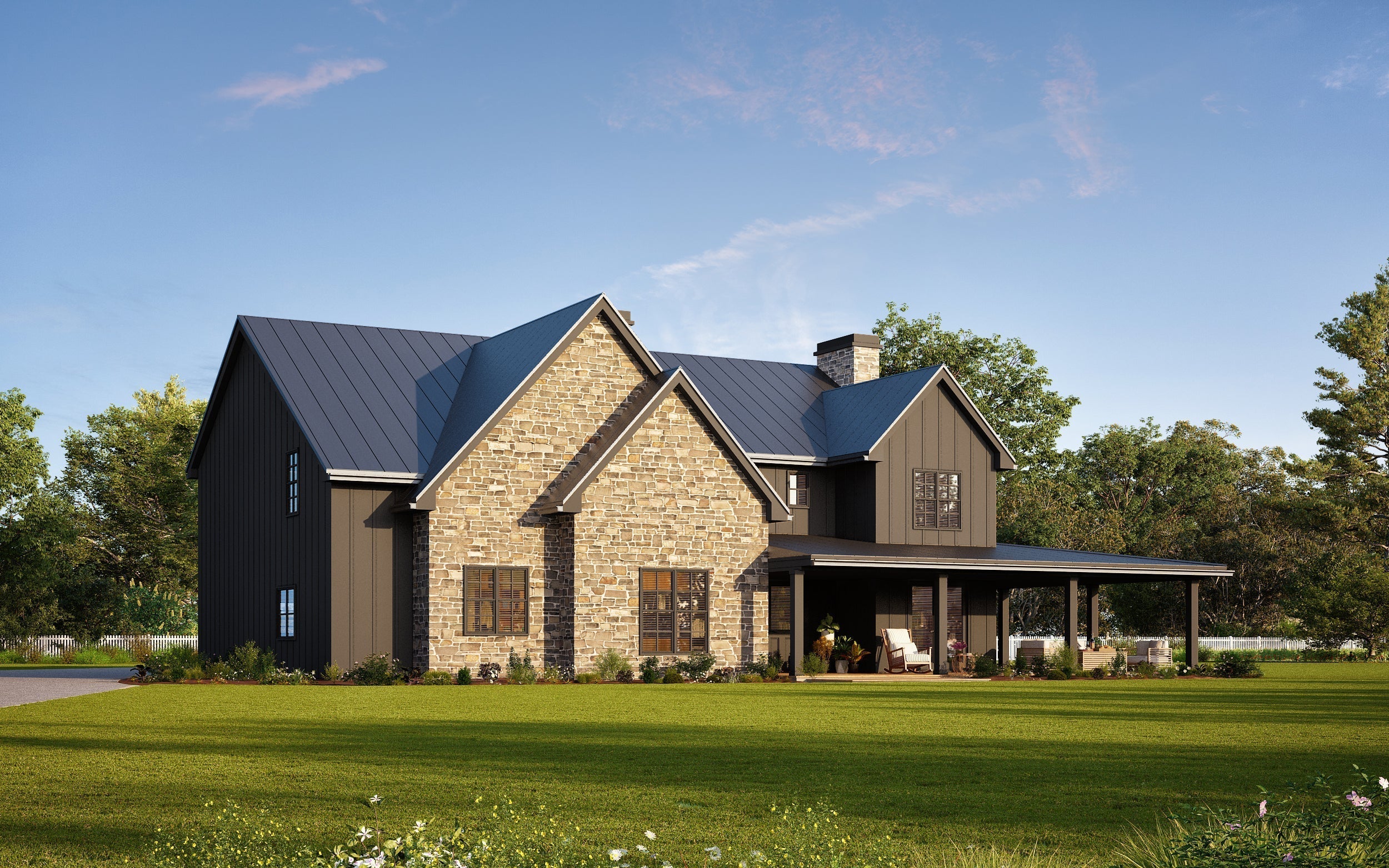
What to Know Before Buying Land for a Barndominium
Buying land for a barndominium is one of the most exciting parts of the building process, but it is also one of the easiest places to make an expensive mistake. A property can look perfect online, feel peaceful in person, and still create major problems once you start looking at zoning, utilities, soil, driveway access, septic approval, flood zones, or local building requirements.
The truth is simple: not every piece of land is ready for a barndominium.
Before you buy acreage, sign a contract, or order a barndominium kit, you need to understand whether the property can actually support the home you want to build. The land affects the foundation, driveway, utilities, permits, engineering, drainage, site prep, construction cost, and even the floor plan you choose.
At Barndominiums.com, we help homeowners start with professionally designed barndominium plans, explore compatible barndominium kits, and connect with barndominium builders who can help evaluate the real-world construction side of a barndo project.
Why Land Matters So Much When Building a Barndominium
A barndominium is not just a structure you drop onto any piece of land. It is a residential home that needs a buildable site, legal access, utilities, drainage, permits, and a foundation that works with the soil and local code requirements.
The land you choose can affect:
- The total cost of the build
- The type of foundation you need
- Whether you need septic or sewer
- Whether you need a well or public water
- How expensive the driveway will be
- How much clearing and grading is required
- Whether the home must be elevated
- Whether the property is in a flood zone
- What size home can be built
- Whether metal siding or barndominium-style homes are allowed
- How easily a builder can access the site
A cheap piece of land can become expensive fast if it needs major clearing, a long driveway, a well, septic, utility extensions, drainage work, or special foundation engineering.
Do Not Buy Land Until You Know If It Is Buildable
The most important question is not whether the land is pretty. The most important question is whether the land is buildable for the kind of barndominium you want.
Before buying land, ask:
- Is residential construction allowed?
- Are barndominiums allowed in this area?
- Are metal-sided homes allowed?
- Is there a minimum square footage requirement?
- Are there deed restrictions?
- Is there an HOA?
- Can the property support septic?
- Is public water available?
- Is power available nearby?
- Is there legal road access?
- Is the land in a flood zone?
- Will the building site require major grading?
If you cannot answer these questions, you are not ready to buy the property yet.
Check Zoning Before You Fall in Love With the Property
Zoning determines what can be built on a property. Some land may be zoned residential. Some may be agricultural. Some may have mixed-use options. Other parcels may have restrictions that make building a barndominium difficult or impossible.
When talking with the local zoning office, ask whether the property allows a single-family residential home. It is often better to describe the project as a custom residential home rather than focusing only on the word “barndominium.”
Ask the zoning office:
- What is the property zoned for?
- Is a single-family home allowed?
- Are there minimum home size requirements?
- Are there restrictions on metal siding or metal roofing?
- Are accessory buildings allowed?
- Can a shop, garage, or RV bay be attached?
- Are there setback requirements?
- Are there height restrictions?
- Are there driveway or road frontage requirements?
Zoning is one of the first things to verify because it can stop a project before it starts.
Look for Deed Restrictions and HOA Rules
Even if local zoning allows a barndominium, private restrictions may still create problems. Deed restrictions, subdivision rules, architectural guidelines, and HOA covenants can limit what you can build.
Some restrictions may control:
- Minimum square footage
- Exterior materials
- Roof pitch
- Garage placement
- Shop buildings
- Metal siding
- Home style
- Driveway materials
- Fence types
- Livestock or agricultural use
Never assume rural land is restriction-free. Always review the deed, covenants, subdivision documents, and HOA rules before buying.
Make Sure the Land Has Legal Access
A property needs legal access before it can be practical to build on. A dirt path, shared trail, or informal driveway is not enough if there is no legal right to access the property.
Before buying, confirm:
- Is there public road frontage?
- Is there a recorded easement?
- Who maintains the road?
- Can construction vehicles access the site?
- Will the driveway need a culvert?
- Will the driveway meet fire department requirements?
- Will the driveway be too steep or too long?
Driveway access can become a major cost item. A long gravel driveway, steep slope, culvert, bridge, or heavy grading can add thousands of dollars to a project before the foundation is even started.
Understand the Cost of Site Work
Site work is one of the most overlooked costs when buying land for a barndominium. Buyers often focus on the price of the property and the price of the home, but the land may require serious preparation.
Site work may include:
- Tree clearing
- Brush removal
- Stump removal
- Excavation
- Grading
- Building pad preparation
- Drainage work
- Driveway installation
- Culvert installation
- Erosion control
- Utility trenching
- Final grading after construction
A flat, open property with good access may be much easier to build on than a wooded, sloped property with poor drainage. Both may be beautiful, but they will not cost the same to develop.
Check Soil Conditions Before You Build
Soil matters because it affects the foundation. Poor soil can require additional engineering, deeper footings, more concrete, soil correction, drainage improvements, or a different foundation design.
Before buying land, ask whether the property has known soil issues. In some areas, a soil test or geotechnical report may be recommended before finalizing the foundation design.
Soil conditions can affect:
- Slab design
- Footing depth
- Concrete thickness
- Drainage
- Basement feasibility
- Septic approval
- Long-term foundation performance
If you are planning a large barndominium, attached garage, shop, or steel frame kit, foundation planning becomes even more important.
Think About the Foundation Before Choosing the Land
Most barndominiums are built on concrete slabs, but not every property is ideal for a slab. Some sites may require a crawlspace, basement, piers, stem walls, or an elevated foundation depending on slope, soil, flood zone, and local building requirements.
Foundation costs may increase if the property has:
- Steep slopes
- Poor soil
- High water table
- Floodplain issues
- Heavy rock
- Drainage problems
- Expansive clay
- Long plumbing runs
A property that looks affordable may become expensive if the foundation requires major engineering or site correction.
Confirm Water Access Early
Water is one of the most important land-buying issues. Some properties have access to public water. Others require a private well. Some may have no practical water solution without major expense.
Before buying, ask:
- Is public water available?
- How far is the nearest water line?
- What does a water tap cost?
- Will the property need a well?
- How deep are wells in the area?
- Is the water quality good?
- Are there known water supply issues?
If the land needs a well, get local estimates before assuming the cost. Well depth and drilling costs can vary dramatically by region.
Septic or Sewer Can Change the Budget
If the property is not connected to public sewer, you will likely need a septic system. Septic approval depends on soil conditions, lot size, local health department rules, home size, number of bedrooms, and available space for the system and replacement area.
Before buying rural land, ask:
- Is public sewer available?
- Will the property need septic?
- Has a perc test been completed?
- Where can the septic system be located?
- Is there enough room for a replacement field?
- How many bedrooms can the septic system support?
- Will the septic location affect where the home can be placed?
This is extremely important because the septic system can determine the practical size and location of the barndominium.
Power Availability Matters More Than Buyers Think
Power access can be simple or expensive depending on how close the electrical service is to the build site.
Before buying land, contact the local utility company and ask:
- Is power available at the road?
- How far is the nearest service line?
- What will it cost to extend power?
- Will poles or underground service be required?
- Who pays for the extension?
- How long does utility installation take?
A remote property can be beautiful, but if power has to be extended a long distance, the cost can be significant.

Check Flood Zones and Drainage
Floodplain status can heavily affect the cost and complexity of a barndominium build. If the property is in a flood zone, you may need additional elevation, special foundation design, flood vents, flood-resistant materials, or higher insurance costs.
Even if the land is not officially in a flood zone, drainage still matters. A low-lying property, poorly drained field, or lot near a creek can create problems during heavy rain.
Before buying, ask:
- Is the property in a flood zone?
- Does water collect after heavy rain?
- Are there creeks, ponds, wetlands, or drainage easements?
- Will the home need to be elevated?
- Will the driveway flood?
- Will drainage work be required?
Drainage is not exciting, but it is one of the most important parts of choosing good land.
Look for Wetlands and Environmental Restrictions
Some properties have wetlands, protected areas, conservation easements, or environmental restrictions that limit where and how you can build.
Environmental restrictions may affect:
- Building pad location
- Driveway placement
- Septic location
- Tree clearing
- Drainage work
- Pond or creek setbacks
- Permitting timeline
If the property includes wet areas, creeks, ponds, low spots, or heavy vegetation, ask the local authorities whether environmental review may be required.
Make Sure the Land Fits the Barndominium Plan
Do not choose land and a floor plan separately. The land and plan need to work together.
A wide one-story plan may not fit well on a narrow lot. A home with a large rear porch should be positioned to take advantage of views. A plan with a shop or RV bay needs driveway access that makes sense. A home with a basement may need the right slope and soil conditions.
Before finalizing land, think about:
- Home footprint
- Driveway approach
- Garage door direction
- Porch views
- Sun exposure
- Drainage direction
- Septic placement
- Well location
- Power route
- Future shop or barn location
If you already have land, browse barndominium floor plans with the property in mind. If you already have a favorite plan, make sure the land supports it before buying.

Think About Driveway Placement and Garage Access
Driveway placement affects the function and cost of the entire property. A barndominium with an attached garage, shop, or RV bay needs a driveway layout that makes sense for daily use.
Before buying land, consider:
- Where will the driveway enter the property?
- Will the driveway be straight or winding?
- Will it need a culvert?
- Will emergency vehicles be able to access the home?
- Will delivery trucks and construction crews have room?
- Can vehicles turn around easily?
- Will the garage doors face the right direction?
- Will snow, mud, or heavy rain make access difficult?
A beautiful plan can become frustrating if the garage and driveway do not work with the land.
Consider Sun, Wind, Views, and Privacy
Good land planning is not only about permits and utilities. It is also about how the home will feel once you live there.
Before buying, walk the property and think about:
- Where the sun rises and sets
- Where the best views are
- Where outdoor living areas should face
- Which direction storms usually come from
- Where neighboring homes are located
- How private the home site will feel
- Where future landscaping could go
A covered porch, rear patio, outdoor fireplace, or kitchen window view can become one of the best parts of your barndominium if the house is positioned well.
Know Your Setbacks and Building Envelope
Setbacks determine how far the home must be from property lines, roads, easements, streams, septic areas, and other features. Once setbacks are applied, the buildable area may be smaller than the total acreage suggests.
Ask the local building or zoning office about:
- Front setbacks
- Side setbacks
- Rear setbacks
- Road setbacks
- Stream or creek setbacks
- Septic setbacks
- Well setbacks
- Utility easements
- Height limits
A 5-acre property does not mean you can build anywhere on all 5 acres. Easements, slopes, flood zones, septic areas, and setbacks can all reduce the practical building area.
Check Local Building Code Requirements
A barndominium is usually permitted as a residential home, not as a barn. That means it must meet local residential building requirements.
Depending on where you build, your barndominium may need to account for:
- Wind loads
- Snow loads
- Seismic requirements
- Energy code requirements
- Foundation engineering
- Roof design
- Insulation requirements
- Window and door requirements
- Electrical code
- Plumbing code
- Mechanical code
Local code requirements can affect both the plan and the cost of the build. This is one reason it helps to start with professional plans and then adjust them for local requirements if needed.
Choose Land That Works With Your Building Method
Barndominiums can be built in several ways, including steel frame kits, post-frame construction, metal building systems, or conventional wood framing. The land should work with the building method you prefer.
If you are considering a kit, think about:
- Can delivery trucks access the site?
- Is there space to unload materials?
- Is the building pad accessible?
- Will cranes or lifts be needed?
- Will the driveway support heavy equipment?
- Is there enough room for staging materials?
A remote or difficult site can make kit delivery and construction more challenging. Before ordering materials, review the site with your builder or kit provider.
Do Not Forget Future Expansion
Your first barndominium may not be the only structure you ever want on the property. Many buyers eventually want a detached garage, shop, barn, guest house, pool, garden, livestock area, or additional driveway.
Before buying land, consider whether there is room for:
- Future shop
- Detached garage
- Guest house
- Equipment storage
- Garden
- Livestock
- Pool
- Outdoor kitchen
- Additional parking
- Solar panels
Even if you do not build everything at once, good land gives you options later.
Talk to a Builder Before Buying the Property
A local builder can often spot issues that buyers miss. Before closing on land, it is smart to have a builder, excavator, or site contractor walk the property with you.
A builder can help evaluate:
- Driveway access
- Foundation location
- Site slope
- Drainage concerns
- Utility access
- Construction access
- Potential cost risks
- Whether your plan fits the land
If you need help finding someone local, start with the Barndo Builders Near Me page to connect with builders who understand barndominium construction.
Match the Land to the Right Barndominium Plan
Once you understand the land, choosing the right plan becomes much easier. The best plan is not always the biggest or most dramatic design. It is the one that fits the property, budget, driveway, utilities, views, foundation, and lifestyle.
For example:
- A narrow lot may need a narrower plan.
- A sloped lot may work well with a walkout basement or crawlspace.
- A rural acreage site may work well with a shop or garage plan.
- A scenic property may benefit from a large rear porch.
- A budget-conscious build may need a simple rectangular footprint.
Barndominiums.com offers a wide range of barndominium plans, including ranch house plans, 3-bedroom plans, 4-bedroom plans, and modern farmhouse plans.
Can You Modify a Plan to Fit the Land?
Yes. In many cases, the smartest move is to start with a stock plan and modify it around the land.
Plan modifications may include:
- Changing the foundation type
- Adding or removing a garage
- Adjusting porch placement
- Changing the width or depth of the home
- Reworking driveway-facing garage doors
- Moving windows to capture better views
- Changing bedroom layouts
- Adding shop space
- Reducing square footage
- Expanding the plan for a larger lot
If you find a plan that is close but not perfect, the custom house plans and plan modification team can help adjust the design around your land and building goals.
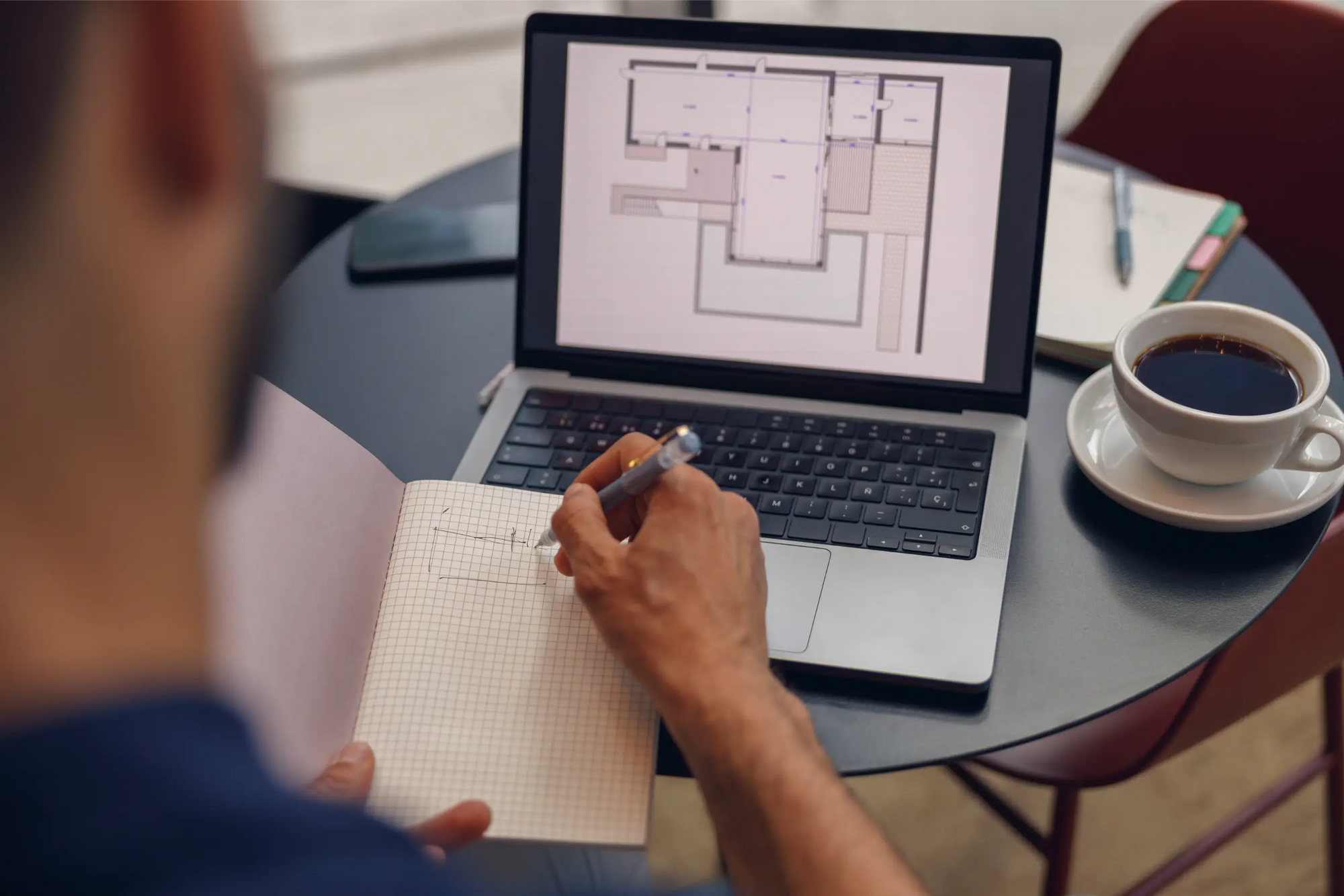
Land Buying Checklist for a Barndominium
Before you buy land for a barndominium, use this checklist:
- Confirm zoning allows residential construction
- Ask whether barndominiums or metal-sided homes are allowed
- Review deed restrictions and HOA rules
- Confirm legal road access
- Check driveway feasibility
- Verify power availability
- Confirm water access or well requirements
- Confirm sewer or septic requirements
- Ask about perc testing
- Check flood zone status
- Look for wetlands or environmental restrictions
- Evaluate slope and drainage
- Ask about soil conditions
- Confirm setbacks and buildable area
- Estimate site clearing and grading costs
- Make sure the floor plan fits the property
- Talk to a local builder before closing
Common Mistakes to Avoid When Buying Land for a Barndominium
Mistake 1: Buying Land Because It Looks Cheap
Cheap land can become expensive if it has poor access, no utilities, septic challenges, floodplain issues, bad soil, steep slopes, or restrictive zoning.
Mistake 2: Assuming Rural Land Has No Rules
Rural land can still have zoning, deed restrictions, septic rules, driveway requirements, environmental limits, and building codes.
Mistake 3: Choosing a Plan Before Understanding the Property
A floor plan should match the land. If the plan does not work with the driveway, slope, views, utilities, or septic location, modifications may be needed.
Mistake 4: Ignoring Utility Costs
Power, water, septic, sewer, internet, propane, and driveway access can add major costs. These should be researched before buying.
Mistake 5: Forgetting About Drainage
Water problems can be expensive. Always look at how water moves across the property during and after heavy rain.
Mistake 6: Not Talking to a Builder Early
A builder can help identify problems before you buy. Waiting until after closing can leave you stuck with expensive surprises.
Best Type of Land for a Barndominium
The best land for a barndominium is usually land that is easy to access, properly zoned, reasonably flat, well-drained, and close enough to utilities to avoid major extension costs.
Ideal barndominium land often has:
- Residential zoning approval
- No restrictive HOA rules
- Good road frontage
- Reasonable driveway access
- Power nearby
- Water solution available
- Septic or sewer option available
- Good drainage
- Enough buildable area
- Room for future garage, shop, or outdoor living
That does not mean the land has to be perfect. It means you need to understand the property clearly before you buy it.
Should You Buy Land Before Choosing a Barndominium Plan?
In most cases, it is smart to research plans and land at the same time. You do not have to choose the final plan before buying land, but you should know what type of home you want and whether the property can support it.
If you want a wide one-story barndominium with a shop, do not buy a narrow lot without checking the building envelope. If you want a basement, do not buy land without understanding soil and slope. If you want a large rear porch with views, make sure the property orientation supports that.
The best process is:
- Decide what kind of barndominium you want.
- Review floor plans for size and layout ideas.
- Search for land that fits those goals.
- Verify zoning, utilities, access, and site conditions.
- Talk to a builder before closing.
- Finalize or modify the plan after the land is understood.
Final Thoughts: Buy the Right Land Before You Build
Buying land for a barndominium is about more than finding a pretty view or a good price. The land has to work for the home, the budget, the builder, the foundation, the utilities, and the local building department.
The best property is not always the cheapest property. The best property is the one that gives you the fewest expensive surprises and the clearest path to building the barndominium you actually want.
Before you buy, check zoning, deed restrictions, access, utilities, septic, water, flood zones, soil, drainage, setbacks, and site work. Then match the land to the right barndominium plan.
If you are ready to start planning, Barndominiums.com can help you compare plans, explore kit options, request modifications, and connect with builders who understand barndominium construction.
FAQ: Buying Land for a Barndominium
Can you build a barndominium on any land?
No. The land must allow residential construction and meet local zoning, access, utility, septic, water, and building requirements. Always verify local rules before buying.
What should I check before buying land for a barndominium?
Check zoning, deed restrictions, HOA rules, legal access, utilities, septic approval, water availability, flood zone status, soil conditions, setbacks, and site work costs.
Is cheap land good for a barndominium?
Not always. Cheap land can become expensive if it needs major clearing, grading, driveway work, utility extensions, septic upgrades, drainage work, or special foundation engineering.
Do I need septic for a barndominium?
If public sewer is not available, you will likely need a septic system. Septic approval depends on soil conditions, local health department rules, lot size, and the number of bedrooms in the home.
Can I build a barndominium on sloped land?
Possibly, but sloped land may require more grading, a different foundation, retaining walls, drainage work, or a modified plan. A builder or engineer should review the site before you buy.
Do barndominiums need special zoning?
Barndominiums are usually permitted as residential homes. The key is whether the property allows single-family residential construction and whether the local rules allow the design, materials, and size you want.
Should I choose a barndominium plan before buying land?
You should at least know the general size, layout, garage needs, shop needs, and foundation preferences before buying land. The final plan can often be chosen or modified after the land is evaluated.
Can a barndominium plan be modified to fit my land?
Yes. Many plans can be modified for foundation type, garage placement, porch orientation, square footage, bedroom layout, shop space, and site conditions.
How much land do I need for a barndominium?
The amount of land depends on the home size, setbacks, driveway, septic system, well location, garage or shop needs, outdoor living areas, and local rules. Some barndominiums can fit on smaller lots, while others need acreage.
Should I talk to a builder before buying land?
Yes. A local builder can help evaluate access, slope, drainage, utilities, foundation needs, and whether your preferred barndominium plan will work on the property.
Browse Plans, Kits, and Builders Before You Buy Land
The best land decision starts with a clear building goal. Compare plans, explore kits, and talk to builders before you commit to a property.
Browse Barndominium Plans
Explore Ranch House Plans
View 3-Bedroom Plans
View 4-Bedroom Plans
Request Custom Plans or Modifications
Explore Barndominium Kits
Find Barndominium Builders Near You


