

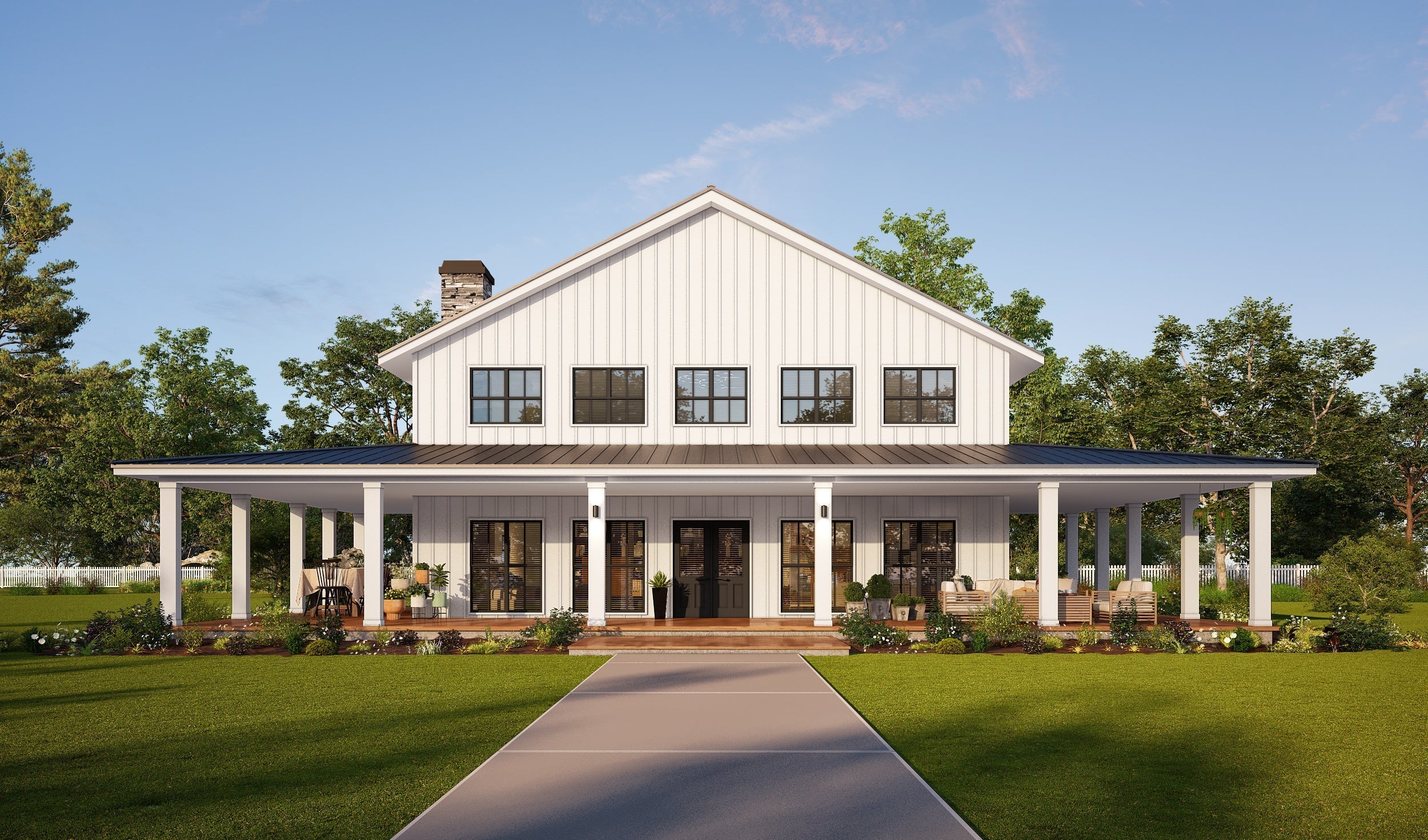
Barndominium Construction Loans: What Lenders Want to See
Getting a construction loan for a barndominium is one of the biggest steps between dreaming about your home and actually building it. Many buyers start with floor plans, photos, kit prices, or land listings, but lenders usually want something more organized before they are willing to approve financing.
A lender does not just want to know that you want to build a barndominium. They want to understand the full project. That means they need to see real plans, a realistic budget, land information, a qualified builder, construction details, appraisal support, insurance information, and a clear path from start to finish.
If you want to finance a barndominium, the key is to present it as a well-planned residential construction project. The more complete your documents are, the easier it is for a lender to understand what you are building and why the project makes sense.
At Barndominiums.com, we help homeowners start with professionally designed barndominium plans, explore compatible barndominium kits, and connect with barndominium builders who can help move the project closer to a lender-ready construction plan.
What Is a Barndominium Construction Loan?
A barndominium construction loan is a short-term loan used to finance the building of a new barndominium. Unlike a traditional mortgage, which is based on an existing home, a construction loan is based on a home that has not been built yet.
Because the home does not exist yet, the lender has to evaluate the project before construction begins. They look at the plans, land, builder, cost estimate, appraisal, and borrower qualifications to decide whether the project is financeable.
Most barndominium construction loans work through a draw schedule. Instead of giving all the money to the builder at once, the lender releases funds in stages as construction progresses. These stages may include foundation, framing, dry-in, mechanical systems, interior finishes, and final completion.
Some construction loans are temporary and must be refinanced into a permanent mortgage after the home is complete. Others are construction-to-permanent loans, which convert into a long-term mortgage after the build is finished.
Why Barndominium Financing Can Feel Different
Financing a barndominium can feel different because some lenders are still more familiar with traditional stick-built homes than barndominiums, steel frame homes, metal building homes, or shophouse-style layouts.
That does not mean a barndominium cannot be financed. It means the project needs to be presented clearly.
Lenders may ask questions like:
- Is this a residential home or an agricultural building?
- Does the plan meet local residential code requirements?
- Who is building the home?
- What is included in the budget?
- Is there an attached shop or garage?
- How much of the building is finished living space?
- Can the home be appraised?
- Are there comparable properties nearby?
- Is the land buildable?
- Will the project be insured?
The more prepared you are, the less confusing the project feels to the lender.
What Lenders Want to See Before Approving a Barndominium Loan
A lender wants confidence. They want to know the home can be built, the budget is realistic, the borrower can repay the loan, the builder can complete the project, and the finished property will support the loan value.
Before approving a barndominium construction loan, lenders commonly want to review:
- Professional house plans
- A detailed construction budget
- Builder estimate or contract
- Land information
- Proof of ownership or land purchase agreement
- Site plan or survey
- Permit information, if available
- Appraisal information
- Insurance information
- Construction timeline
- Kit or material package details, if applicable
- Borrower income, credit, and financial documents
The goal is to make the project look organized, realistic, and residential from the beginning.
Start With Real Barndominium Plans
Your floor plan is one of the most important documents in the loan process. A lender cannot properly evaluate a barndominium project if the design is only a sketch, inspiration photo, or rough idea.
Professional plans help the lender understand:
- The size of the home
- The number of bedrooms and bathrooms
- The finished living area
- Garage or shop space
- Porch square footage
- Foundation assumptions
- Exterior style
- Overall layout
- Residential use
This is why choosing the right plan early matters. Barndominiums.com offers a full collection of barndominium floor plans that can help you move from idea to real planning. If you are comparing multiple styles, you can also browse all house plans, ranch house plans, and modern farmhouse plans.

Why the Plan Matters to the Appraisal
The lender will usually require an appraisal before approving the construction loan. Since the home has not been built yet, the appraiser reviews the plans, specifications, land, local market, and comparable sales to estimate the future value of the completed home.
A clear plan helps the appraiser understand what is being built. A vague plan makes the appraisal more difficult.
Appraisers may look at:
- Finished square footage
- Bedroom and bathroom count
- Garage or shop area
- Exterior appearance
- Quality of construction
- Interior finish level
- Location
- Land value
- Comparable homes nearby
If the barndominium looks and functions like a residential home, it may be easier for lenders and appraisers to understand. If it looks like a metal building with living quarters added as an afterthought, the appraisal may be more challenging.
Have a Detailed Construction Budget
A lender will not usually approve a barndominium construction loan based on a loose estimate. They want to see a detailed budget that explains where the money is going.
A strong barndominium construction budget should include:
- Land cost, if included in the loan
- Survey
- Soil testing, if needed
- Engineering
- Permits
- Site clearing
- Driveway
- Grading and drainage
- Foundation
- Framing or barndominium kit
- Roofing
- Siding
- Windows and exterior doors
- Garage doors
- Porches
- Insulation
- Electrical
- Plumbing
- HVAC
- Drywall
- Flooring
- Cabinets
- Countertops
- Interior doors and trim
- Lighting
- Fixtures
- Appliances
- Septic or sewer
- Well or water connection
- Builder labor
- Final grading and cleanup
- Contingency fund
If you need help understanding the full project budget, read How to Budget for a Barndominium Without Getting Surprised before you begin talking with lenders.
Do Not Confuse Kit Cost with Finished Cost
One of the biggest mistakes buyers make is showing a lender a barndominium kit price and treating it like the full cost of the home. A kit can be a major part of the build, but it is not usually the complete finished house.
A barndominium kit may include framing, roofing, siding, trim, fasteners, and sometimes windows or exterior doors depending on the package. But the lender still needs to know how the rest of the home will be completed.
A kit usually does not include every cost required to move in, such as:
- Land
- Foundation
- Builder labor
- Site work
- Utility connections
- Septic or well
- Permits
- Interior framing and finishes
- Electrical systems
- Plumbing systems
- HVAC systems
- Drywall
- Flooring
- Cabinets
- Appliances
If you are using a kit, be prepared to show what the kit includes, what it does not include, who will install it, and how the rest of the home will be finished. You can learn more about available barndominium kits and how they fit into the construction process.
Builder Information Is Critical
Many lenders want to know who is building the home. A qualified builder helps reduce risk because the lender wants confidence that the home can be completed correctly, on budget, and within a reasonable timeline.
Your builder may need to provide:
- Business name and contact information
- License information, if required in your state
- Insurance information
- Experience with custom homes or barndominiums
- Construction estimate
- Contract or scope of work
- Draw schedule
- Timeline
- References or past project examples
If you have not chosen a builder yet, start by reviewing barndominium builders near you. A builder who understands local codes, site conditions, and barndominium construction can make the loan process easier.
Can You Be an Owner-Builder?
Some buyers want to act as their own general contractor to save money. This is called being an owner-builder. While it may be possible in some situations, many lenders are cautious about owner-builder construction loans.
Why? Because managing a construction project requires experience, scheduling, subcontractor coordination, budgeting, inspections, and problem-solving. If the homeowner does not have construction experience, the lender may see the project as higher risk.
If you want to be an owner-builder, ask lenders early whether they allow it. Some may require a licensed general contractor. Others may allow owner-builder projects only if the borrower has strong construction experience, a detailed budget, and a realistic timeline.
Land Information Lenders Want to See
If you already own land, the lender will want details about the property. If you are buying land as part of the project, the lender will need the purchase agreement and land information.
Important land documents may include:
- Property address
- Legal description
- Survey
- Purchase contract, if applicable
- Proof of ownership, if already owned
- Property tax information
- Zoning information
- Floodplain information
- Road access information
- Utility availability
- Septic or sewer information
- Well or public water information
Land can have a huge impact on whether the project is financeable. A beautiful property can still create problems if it has no legal access, poor soil, no utilities, zoning restrictions, flood issues, or expensive site work requirements.
Site Work and Utility Costs Matter
Lenders want the budget to include the full project, not just the house. Site work and utilities can become major costs if they are not planned early.
Your budget should account for:
- Tree clearing
- Excavation
- Grading
- Driveway installation
- Culverts
- Drainage
- Temporary power
- Permanent electrical service
- Water connection or well
- Sewer connection or septic system
- Propane tank, if needed
If these items are missing from the budget, the lender may question whether the estimate is complete.
Permits and Code Requirements
A barndominium must meet local residential building requirements. Lenders want to know that the home can be permitted and legally built on the property.
Depending on your location, your project may need to account for:
- Residential zoning
- Building permits
- Site plan approval
- Foundation requirements
- Wind loads
- Snow loads
- Seismic requirements
- Flood zone requirements
- Energy code requirements
- Electrical permits
- Plumbing permits
- Mechanical permits
- Septic permits
- Final inspections
Before applying for financing, it helps to call the local building department and ask what they require for a residential barndominium-style home. Some lenders may also want to know whether engineered drawings or a local design professional’s stamp will be required.
Specifications Help the Lender Understand the Home
Plans show the layout, but specifications explain the quality of the build. A lender may want more than a floor plan. They may want to know what materials and finishes are included.
Your specifications may include:
- Foundation type
- Framing method
- Roofing material
- Siding material
- Window type
- Exterior door type
- Garage door size
- Insulation package
- HVAC system
- Cabinet level
- Countertop material
- Flooring type
- Plumbing fixtures
- Lighting package
- Appliance package
The more complete your specs are, the easier it is for the lender, builder, and appraiser to understand the project.
Interior Finish Allowances
Many construction budgets include allowances for items that have not been selected yet. An allowance is a placeholder amount for finishes such as cabinets, flooring, lighting, plumbing fixtures, countertops, and appliances.
Allowances can be helpful, but they need to be realistic. If the allowance is too low, the final price may increase when you choose the finishes you actually want.
Common allowance categories include:
- Cabinets
- Countertops
- Flooring
- Tile showers
- Lighting
- Plumbing fixtures
- Appliances
- Interior doors
- Trim
- Paint
If you want a lender-ready budget, make sure the allowances match the level of home you are actually planning to build.
Shop Space, Garage Space, and Appraisal Questions
Many barndominiums include attached garages, workshops, RV bays, or equipment storage areas. These features are one of the biggest reasons people choose barndominiums, but they can also create questions during financing.
The lender and appraiser may want to know how much of the building is finished living space and how much is garage or shop space.
Finished living space usually carries more value than unfinished garage or shop space. That does not mean shop space is bad. It just means it should be clearly described in the plans and budget.
If your plan includes a shop, be ready to explain:
- Total living square footage
- Total garage or shop square footage
- Whether the shop is conditioned
- Whether plumbing is included
- Garage door sizes
- Electrical needs
- How the space connects to the home

If you are shopping for a plan with more utility space, compare the full barndominium plans collection or explore custom plan modifications if you need a garage, shop, or RV bay adjusted for financing and appraisal purposes.
What Credit and Financial Documents Will Lenders Request?
A barndominium construction loan is still a loan, so lenders will review your personal financial qualifications in addition to the construction project.
You may need to provide:
- Credit report authorization
- Income documentation
- Tax returns
- Bank statements
- Debt information
- Employment verification
- Down payment funds
- Land equity documentation, if applicable
- Asset statements
Every lender has different requirements, so ask early what documents they need. The smoother your paperwork is, the easier the loan process usually becomes.
Down Payment and Equity
Construction loans often require a down payment or equity position. If you already own the land, the lender may count some or all of your land equity toward the project depending on the loan structure and appraisal.
Down payment requirements vary by lender, loan type, borrower profile, and project details. Some lenders may require more money down for unusual projects, owner-builder projects, rural properties, or homes with limited comparable sales.
Ask lenders:
- How much down payment is required?
- Can land equity count toward the down payment?
- Do you require cash reserves?
- Are barndominiums treated differently than traditional homes?
- Does shop space affect the loan structure?
Construction Timeline and Draw Schedule
Lenders want to know how the project will move from start to finish. A realistic construction timeline helps them understand when funds will be needed and when the home should be completed.
Your builder may need to provide a timeline for:
- Permitting
- Site work
- Foundation
- Framing or kit erection
- Dry-in
- Mechanical rough-ins
- Insulation
- Drywall
- Interior finishes
- Final inspections
- Certificate of occupancy
The draw schedule should match the construction stages. Lenders usually inspect or verify work before releasing funds for the next phase.
Insurance Requirements
Lenders typically require insurance during construction. Depending on your project, this may include builder’s risk insurance, general liability coverage from the contractor, and a plan for homeowners insurance after completion.
Insurance can be especially important if the property is in a flood zone, high-wind area, wildfire area, coastal region, or remote rural location.
Ask your lender and insurance provider about:
- Builder’s risk insurance
- Contractor insurance
- Homeowners insurance
- Flood insurance, if required
- Wind or hail coverage
- Coverage during construction
- Coverage after completion
Can a Barndominium Kit Help With Financing?
A barndominium kit can help make the construction process clearer because it organizes major shell materials around the selected plan. This can be useful when the lender wants to understand what materials are being used and how the building shell will be delivered.
However, a kit does not replace the need for a full construction budget. The lender will still want to know who is building the home, what the kit includes, what is excluded, how the foundation will be built, how the interior will be finished, and how the project will meet local code.
The strongest approach is to combine:
- A professional floor plan
- A clear kit or material package quote
- A builder estimate
- A complete finish-out budget
- Land and utility information
- Permit and code planning
That gives the lender a more complete picture of the project.
Questions to Ask a Lender Before Applying
Not every lender handles barndominium construction loans the same way. Before you spend too much time with one lender, ask direct questions.
- Do you finance barndominiums?
- Do you offer construction-to-permanent loans?
- Do you require a licensed general contractor?
- Can I use a steel frame kit or barndominium kit?
- Can land equity count toward my down payment?
- Do you allow owner-builder projects?
- How do you handle draw schedules?
- What documents do you need from the builder?
- What do you need from the kit supplier?
- How do you appraise barndominiums?
- Do you finance homes with shop space?
- Do you finance rural land?
- What insurance is required during construction?
- What could cause the loan to be denied?
If a lender is confused by the word “barndominium,” it may help to describe the project as a custom residential home with barn-inspired design, steel or wood framing options, and a complete residential floor plan.
Documents to Prepare Before Talking to a Lender
The best way to improve your chances of a smooth loan conversation is to prepare before applying.
Bring as much of the following as possible:
- Selected floor plan
- Plan modifications, if needed
- Construction budget
- Builder estimate or contract
- Kit quote, if using a kit
- Land purchase agreement or deed
- Survey
- Site plan, if available
- Utility information
- Septic or sewer information
- Well or water information
- Permit research
- Insurance information
- Personal financial documents
If you do not have a final plan yet, start by choosing a design from the barndominium plans collection or request help through the custom house plans and modifications page.
Common Reasons Barndominium Construction Loans Get Delayed
Construction loans often get delayed because the project is not documented clearly enough. Lenders do not like uncertainty, and missing information can slow down the approval process.
Common reasons for delays include:
- No final house plans
- Incomplete construction budget
- No builder selected
- Builder quote missing key items
- Unclear kit inclusions
- Land not fully evaluated
- Permit concerns
- Appraisal issues
- Not enough comparable sales
- Unrealistic finish allowances
- Unclear shop or garage square footage
- Missing insurance information
The more complete your project is before the lender reviews it, the better your chances of avoiding unnecessary delays.
How to Make a Barndominium Look More Lender-Friendly
You cannot control every lender’s opinion, but you can make the project easier to understand.
To make your barndominium more lender-friendly:
- Use professional residential plans
- Clearly identify finished living space
- Separate shop and garage space from living area
- Use a realistic construction budget
- Choose a qualified builder
- Document the kit or material package
- Confirm zoning and permits early
- Use residential-quality finishes
- Keep the design practical for resale and appraisal
- Prepare a clear construction timeline
A lender does not need to fall in love with the barndominium trend. They need to understand the project, the value, the risk, and the path to completion.
Should You Choose a Stock Plan or Custom Plan for Financing?
Both stock plans and custom plans can work for financing. The best choice depends on how closely an existing plan fits your needs.
A stock plan may help you move faster because the design already exists. A modified plan can be a great option if you like most of a layout but need changes to the garage, bedrooms, porch, shop, or foundation. A custom plan may be the right choice if your land, budget, lifestyle, or local requirements call for something more specific.
Barndominiums.com offers custom house plans and plan modifications so buyers can start with an existing design or create a home from scratch. This can be helpful when the lender, builder, or local building department needs a more specific plan set.
Final Thoughts: Give the Lender a Complete Story
Getting a barndominium construction loan is much easier when the lender can clearly understand the project. Do not walk into the loan process with only a photo, a rough sketch, or a kit price. Bring a complete story.
That story should include the plan, land, builder, budget, timeline, material package, insurance, permits, and appraisal support. The more complete your project looks, the more confidence the lender has.
A barndominium can be financed when it is presented as a serious residential construction project. Start with the right plan, build a realistic budget, work with qualified professionals, and organize the documents lenders expect to see.
FAQ: Barndominium Construction Loans
Can you get a construction loan for a barndominium?
Yes, many buyers can get construction financing for a barndominium, but the project usually needs to be presented as a residential custom home with professional plans, a realistic budget, a qualified builder, land information, and appraisal support.
What do lenders need for a barndominium construction loan?
Lenders commonly want professional plans, a construction budget, builder contract, land information, appraisal, insurance details, permit information, timeline, and borrower financial documents.
Do lenders finance barndominium kits?
Some lenders may allow a barndominium kit as part of the construction budget, but they usually still need to see the full project cost, including foundation, labor, utilities, permits, interior finishes, and builder information.
Is a barndominium harder to finance than a regular house?
It can be harder if the lender does not understand barndominiums or if the project is poorly documented. Financing is usually easier when the home is presented as a residential construction project with clear plans, a complete budget, and a qualified builder.
Do I need a builder to get a barndominium construction loan?
Many lenders prefer or require a licensed general contractor or qualified builder. Some lenders may allow owner-builder projects, but they often require stronger documentation and construction experience.
Can land equity count toward a barndominium loan?
Some lenders may allow land equity to count toward the required down payment or borrower contribution, depending on the loan structure, appraisal, and lender guidelines.
Will a lender finance a barndominium with a shop?
Some lenders will finance barndominiums with shop or garage space, but they may want the finished living area and shop area clearly separated in the plans, budget, and appraisal.
Do barndominiums need an appraisal for a construction loan?
Most construction loans require an appraisal based on the future completed value of the home. The appraiser reviews the plans, specifications, land, budget, and local comparable properties.
What can delay a barndominium construction loan?
Common delays include incomplete plans, unclear budgets, missing builder information, appraisal issues, land concerns, permit problems, unrealistic allowances, and confusion about what the kit includes.
How can I make my barndominium loan application stronger?
Start with professional plans, choose a realistic budget, document the kit or material package, work with a qualified builder, confirm land and permit requirements, and clearly separate living space from garage or shop space.
Browse Plans, Kits, and Builders Before You Apply
The best time to prepare for financing is before you apply. A strong barndominium loan package starts with a clear plan, a realistic budget, and the right construction team.
Browse Barndominium Plans
Explore Barndominium Kits
Find Barndominium Builders Near You
Request Custom Plans or Modifications


