

Custom House Plans & Plan Modifications
Our team can turn your ideas into a house plan that fits your life. Begin with one of our stock plans and customize it, or work with us to design your home from scratch. Design a home that truly fits your lifestyle with custom house plans and professional barndominium plan modifications tailored to your needs.
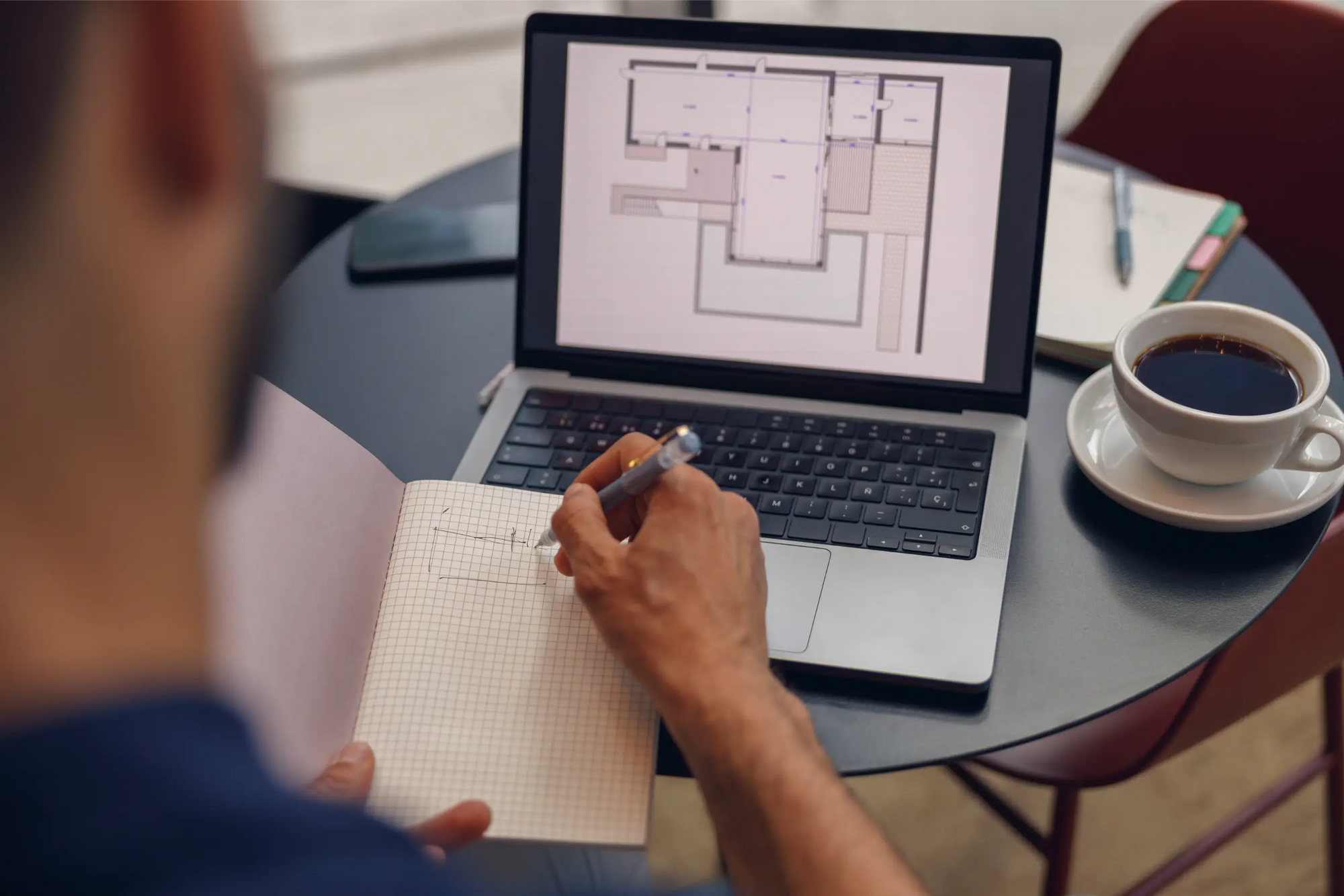
If you can dream it we can design it.
Gather your thoughts and share your thoughts in any format from a doodle on a napkin, a Pinterest board or the home you’ve always dreamed of. Our team will work with you to make your dream home a reality at an affordable price. Feel free to use one of our existing plans to modify or have your home custom designed from scratch.
Custom house plans and barndominium plan modifications give homeowners the freedom to create a space that works perfectly for their lifestyle. Instead of settling for a one size fits all layout, you can enhance flow, improve storage, increase natural light, or integrate multi purpose areas such as offices or hobby rooms. Our process ensures that your updated barndominium floor plans maintain structural integrity while reflecting your personal style and practical needs.
How it Works
Schedule Your Free Consultation
We review your goals, discuss aesthetic preferences, and talk through any plans, sketches, or inspiration you already have. A Senior Designer provides initial guidance and we prepare a clear, no-pressure quote for your project.
We Design & Refine Your Plan
We hold a focused working session to explore layout options and establish the core flow of your home. A Junior Designer prepares the first draft, then we refine together through two rounds of revisions, incorporating feedback and adjustments to reach your final layout.
Receive Your Final Build-Ready Plans
Once your layout is approved, we finalize the full construction plan set. This includes floor plans, elevations, framing, electrical, plumbing, schedules, and a one-time build license. Everything is prepared for your builder and permitting office.
Modify It or Make It Yours
Every project is quoted upfront. No contracts or commitment until you approve your plan outline and scope.

Modify an Existing Plan — Starting at $750*
If you’ve already found a plan you like, but it needs tweaks, we’ll adjust it to fit your goals and lifestyle. Changes can include layout adjustments, room reconfigurations, exterior style updates, and more.
*Pricing varies based on complexity and scope and requires purchase of a stock plan.

Full Custom Home Design — Starting at $2,800
If you want something original, we design your home around how you live. Our team handles everything from early concepts to the full construction-ready plan set.
Includes:
- Design consultation + project planning
- Collaborative design session
- Professional layouts and elevations
- Structural, electrical, and plumbing plans
- One-time build license
Design Your Dream Home with Custom Barndominium Plans
Custom barndominium plans allow homeowners to create a home that perfectly fits their needs, whether that means adding bedrooms, expanding living spaces, or including workshop areas. Starting with one of our expertly designed floor plans, you can modify layouts, adjust room sizes, or add unique features that match your lifestyle. Each plan is designed for efficiency, structural integrity, and modern living, ensuring your home is both beautiful and functional.
Every custom barndominium plan is flexible enough to accommodate steel building kits or traditional construction methods. From open concept kitchens and vaulted ceilings to oversized garages and outdoor living spaces, you can personalize every detail. By combining custom design with practical construction guidance, we make it easy to build a barndominium that is uniquely yours.
Custom barndominium plans give homeowners the freedom to design a space that fits their lifestyle, land, and budget. Whether you need a single level layout, multi bedroom family home, or an expansive property with workshop areas, these plans are fully adaptable. With access to our network of local builders, you can turn your custom barndominium floor plan into reality while ensuring structural efficiency and long term value.
We specialize in creating barndominium floor plans that balance flexibility, modern style, and construction efficiency. With years of experience, we guide homeowners through plan customization, ensuring every design change enhances functionality and long term value. Our team makes designing a custom barndominium straightforward, rewarding, and fully tailored to your vision. Design a barndominium tailored to your needs. Explore our custom barndominium plans and begin creating your dream home now.

