

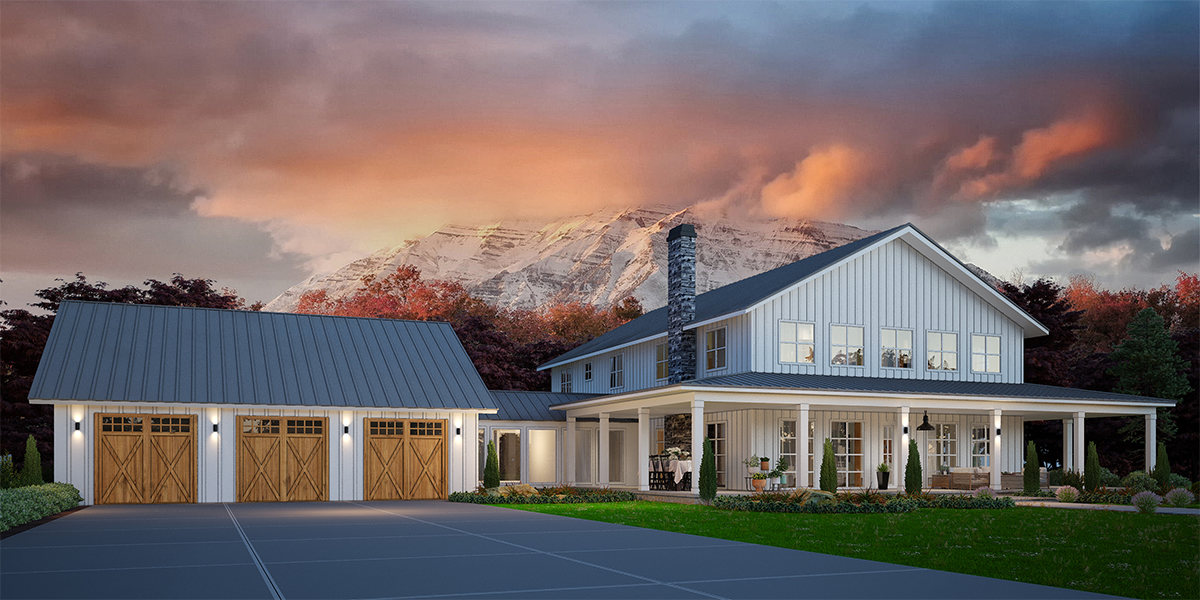
What States Are Hardest for Building a Barndominium?
What states are hardest for building a barndominium? The answer depends on what you mean by “hardest.” In most states, barndominiums are not automatically illegal. The real difficulty usually comes from local zoning, permitting, building codes, energy rules, weather requirements, land prices, HOA restrictions, financing, insurance, and whether local builders understand barndominiums.
Some states are easier because rural land is more flexible, local officials are familiar with metal buildings or post-frame homes, and builders are used to working on acreage. Other states can be harder because the rules are stricter, land is more expensive, inspections are more detailed, and local approval can take longer.
The most important thing to remember is this: a barndominium designed for full-time living is usually reviewed as a residential home. That means it still needs to meet local residential building codes, zoning rules, energy requirements, foundation standards, septic or sewer rules, and permit requirements just like any other custom home.
If you are still early in the planning stage, start by comparing real residential layouts before you buy land or talk to builders. Browsing all barndominium plans can help you understand the type of home you want before you begin checking local rules.
Are Barndominiums Legal in Every State?
Barndominiums can be built in many states, but approval is usually decided at the local level. State building codes matter, but your county, city, zoning office, building department, HOA, and deed restrictions often matter even more.
Before building anywhere, confirm:
- Residential zoning
- Local building code requirements
- Whether metal-sided homes are allowed
- Whether post-frame or steel-frame construction is allowed
- Minimum square footage rules
- Setback requirements
- Septic or sewer approval
- Well or public water access
- Driveway and road access
- HOA or deed restrictions
- Energy code requirements
- Wind, snow, wildfire, flood, or seismic design requirements
In other words, the better question is not only “What state is easiest?” The better question is “What county, property, and local building department will allow the barndominium I want to build?”
What Makes a State Harder for Barndominiums?
A state may be harder for barndominium construction for several reasons. Sometimes the issue is strict building code. Sometimes it is high land cost. Sometimes it is limited rural land near jobs. Sometimes it is energy code compliance, wildfire design, coastal storm rules, or a local HOA that does not allow metal-sided homes.
Common difficulty factors include:
- Strict energy codes
- Wildfire building requirements
- Hurricane and high-wind requirements
- Coastal flood elevation rules
- Seismic engineering requirements
- Heavy snow load engineering
- Expensive land
- Limited rural acreage
- Strict zoning
- HOA restrictions
- Long permitting timelines
- Higher labor and material costs
- Fewer builders familiar with barndominiums
- Appraisal or financing challenges
None of these automatically prevent a barndominium, but they can make the process more expensive, slower, and more document-heavy.
Hardest States for Building a Barndominium
The following states can be more challenging for barndominium buyers because of stricter regulations, higher costs, complex geography, weather requirements, or local approval issues. This does not mean you cannot build a barndominium in these states. It means you should expect more research, stronger documentation, and better professional support.
1. California
California is one of the hardest states for building almost any custom home, including barndominiums. The challenge is not usually the word “barndominium” itself. The challenge is the combination of seismic rules, wildfire requirements, energy code compliance, high labor costs, land costs, environmental review, and strict local permitting.
California barndominium challenges may include:
- Wildfire design requirements in fire-prone areas
- Defensible space rules
- Seismic engineering
- Strict energy standards
- Expensive land and labor
- Complex permitting
- Local design review
- Environmental restrictions in some areas
- HOA or neighborhood design limits
A barndominium may still be possible in California, but you should expect to work closely with local officials, engineers, and builders. A more residential exterior design may also help in areas where plain metal-sided homes face more resistance.
2. New York
New York can be challenging because conditions vary dramatically across the state. Rural upstate land may be more flexible, while suburban and downstate areas can be much stricter and more expensive. Energy code requirements, snow loads, zoning, septic rules, and local permitting can all affect the project.
New York barndominium challenges may include:
- Strict energy code requirements
- Snow load engineering in many regions
- Higher labor costs in certain markets
- Complex local permitting
- More restrictive zoning near cities and suburbs
- Septic and well requirements in rural areas
- HOA or architectural restrictions
Upstate New York can still be a good fit for barndominiums when the land is properly zoned and local officials are comfortable with the design. The key is choosing the right county, property, and builder.
3. New Jersey
New Jersey can be difficult because land is expensive, buildable lots can be limited, zoning can be strict, and many areas have dense development or neighborhood design expectations. Barndominiums may face resistance in subdivisions or towns where metal-sided or barn-style homes do not match local architectural norms.
New Jersey barndominium challenges may include:
- High land costs
- Limited rural acreage
- Strict zoning
- Wetlands and environmental review in some areas
- Dense development patterns
- HOA restrictions
- Higher labor costs
- Local architectural review
If you want to build a barndominium in New Jersey, you may need a more residential-looking design with approved exterior materials, strong curb appeal, and professional plans.
4. Massachusetts
Massachusetts can be challenging because of strong energy requirements, local zoning, expensive land, high labor costs, and town-level permitting differences. Some areas may also have historic district rules, conservation requirements, or strict design review.
Massachusetts barndominium challenges may include:
- Strict energy code compliance
- High construction costs
- Expensive land
- Town-by-town permitting differences
- Conservation restrictions
- Historic district limitations in some locations
- HOA or subdivision restrictions
A barndominium may still work in Massachusetts, especially in more rural areas, but you should plan for stronger energy documentation, local review, and potentially higher construction costs.
5. Connecticut
Connecticut can be difficult because of land costs, town-level zoning, environmental restrictions, and neighborhood design expectations. Rural parts of the state may be more flexible, but many communities are careful about architectural style, exterior materials, septic, wetlands, and stormwater.
Connecticut barndominium challenges may include:
- High land and labor costs
- Town-specific zoning
- Wetlands and drainage review
- Septic requirements
- Architectural review in some areas
- HOA or deed restrictions
- Limited large acreage near job centers
If you are building in Connecticut, a modern farmhouse-style barndominium with residential materials may be easier to approve than a plain metal building design.
6. Rhode Island
Rhode Island is small, densely developed in many areas, and has limited rural land compared with larger states. Coastal rules, zoning, flood concerns, and neighborhood restrictions can make barndominium projects more complicated.
Rhode Island barndominium challenges may include:
- Limited land availability
- Coastal flood rules
- Wetland and environmental restrictions
- Higher land costs
- Local zoning challenges
- Neighborhood design expectations
- HOA restrictions
Barndominiums may be possible in Rhode Island, but the right property matters more than almost anything else.
7. Florida
Florida is not always hard in rural inland areas, but coastal and high-wind regions can make construction more complicated. Barndominiums in Florida may need to meet strict wind, flood, elevation, roofing, window, and foundation requirements depending on location.
Florida barndominium challenges may include:
- Hurricane wind-load requirements
- Impact-rated windows and doors in some areas
- Coastal flood elevation requirements
- High insurance concerns
- Moisture and humidity planning
- Termite and pest concerns for wood components
- Strict coastal permitting
- HOA restrictions in subdivisions
Florida can still be a great state for a barndominium, especially if the home is properly engineered. Steel framing may be attractive because of strength, durability, and resistance to pests and moisture-related issues.
8. Oregon
Oregon can be challenging depending on the county, land type, wildfire exposure, environmental rules, and zoning. Rural land may look attractive, but farm and forest zoning can limit residential construction or require special approvals.
Oregon barndominium challenges may include:
- Farm and forest zoning restrictions
- Wildfire design concerns
- Seismic considerations
- Energy code compliance
- Environmental review in some areas
- Wet climate moisture planning
- County-specific permitting differences
Oregon may be easier in some rural residential areas and harder on restricted agricultural or forest land. Always verify zoning before buying property.
9. Washington
Washington can be challenging because of energy code requirements, seismic considerations, wet climate detailing, wildfire exposure in some regions, and strict local zoning in certain counties. Western Washington may bring moisture and land-use challenges, while eastern Washington may bring wildfire and rural utility issues.
Washington barndominium challenges may include:
- Strict energy code requirements
- Seismic design considerations
- Wildfire risk in some areas
- Wet climate detailing
- Stormwater rules
- Rural utility challenges
- Local zoning restrictions
A barndominium can work in Washington, but energy performance, moisture control, and site-specific engineering should be part of the planning process.
10. Colorado
Colorado can be difficult because of mountain terrain, snow loads, wildfire zones, expansive soils, high-altitude construction challenges, and expensive land in desirable areas. Some rural counties may be more flexible, but the site conditions can add complexity.
Colorado barndominium challenges may include:
- Heavy snow load requirements in mountain regions
- Wildfire mitigation rules
- Expansive soil conditions
- Steep lots and difficult access
- High-altitude construction issues
- Higher land costs in popular areas
- County-specific permitting differences
Colorado can be a great barndominium state if you choose the right property and engineer the home correctly for snow, wind, wildfire, and soil conditions.
11. Hawaii
Hawaii can be one of the hardest states for any custom home because of land cost, island logistics, shipping, local permitting, hurricane exposure, corrosion concerns, lava zones in some areas, and limited builder availability. A barndominium may be possible, but the project needs serious local planning.
Hawaii barndominium challenges may include:
- High land costs
- Shipping costs for materials
- Limited builder availability
- Local permitting complexity
- Hurricane and wind requirements
- Salt-air corrosion in coastal areas
- Lava zone concerns in some areas
- Water and utility limitations
If you are considering a Hawaii barndominium, work with local professionals before purchasing land or ordering materials.
12. Alaska
Alaska is challenging for different reasons. The issue is not always zoning. The bigger challenges are remote logistics, extreme cold, snow loads, foundation requirements, permafrost in some regions, short building seasons, transportation costs, and limited labor availability.
Alaska barndominium challenges may include:
- Extreme cold climate construction
- Heavy snow loads
- Remote material delivery
- Short construction season
- Permafrost and foundation concerns in some areas
- Higher transportation costs
- Limited local builder availability
- Special insulation and HVAC needs
A steel-frame barndominium may be attractive in Alaska for structural strength, but the building envelope, foundation, insulation, and heating system must be designed for the climate.
Other States That Can Be Difficult Depending on the County
Some states are not always hard statewide, but certain counties, cities, HOAs, or property types can make construction more complicated.
States that may vary heavily by county include:
- Texas
- North Carolina
- South Carolina
- Georgia
- Tennessee
- Virginia
- Pennsylvania
- Michigan
- Minnesota
- Wisconsin
- Idaho
- Montana
- Utah
- Nevada
In many of these states, rural counties may be easier, while suburban counties, mountain counties, coastal counties, resort areas, or HOA-controlled neighborhoods may be much harder.
Why Local Rules Matter More Than State Rules
Barndominium buyers often search by state, but the real answer is usually local. One county may welcome barndominiums, while the next county may require stricter exterior materials, engineering, permits, or design review.
Local rules can affect:
- Whether the home can be built on the land
- Minimum home size
- Setbacks from property lines
- Allowed exterior materials
- Foundation type
- Energy compliance
- Septic approval
- Driveway access
- Fire department access
- Garage or shop size
Before you buy land, call the local building department and zoning office. Ask direct questions before assuming the property will work.
How to Make a Barndominium Easier to Approve
Even in a difficult state, there are ways to make the approval process smoother. The goal is to present the project as a real residential home, not a vague barn conversion.
Helpful steps include:
- Use professional residential plans
- Confirm zoning before buying land
- Ask about exterior material rules
- Check HOA or deed restrictions
- Understand local energy code requirements
- Plan for wind, snow, fire, flood, or seismic loads
- Use a builder familiar with local permitting
- Make sure the home has a permanent foundation
- Separate living space from garage or shop space in the plans
- Describe the project as a residential home with barndominium-inspired design
A clean, residential-looking design can also help in areas where local officials or neighborhoods are unfamiliar with barndominiums.
Exterior Style Can Make a Difference
In stricter states or neighborhoods, exterior appearance can matter. A plain metal building may face more resistance than a home that looks residential from the road.
Design features that can help include:
- Residential windows
- Covered front porch
- Board-and-batten siding
- Stone or wood accents
- Architectural roofline
- Modern farmhouse exterior
- Finished garage doors
- Balanced front elevation
If you are building in a stricter area, the plan you choose matters. Start by comparing all barndominium plans so you can find a layout and exterior style that feels more residential and easier to explain to local officials.
Questions to Ask Before Building in a Difficult State
Before committing to land or a plan, ask the local building department and zoning office specific questions.
Good questions include:
- Is residential construction allowed on this property?
- Are barndominium-style homes allowed?
- Are metal-sided homes allowed?
- Are there minimum square footage requirements?
- What building code is enforced?
- What energy code applies?
- Are engineered drawings required?
- What wind, snow, seismic, flood, or wildfire rules apply?
- Is septic approval required before a building permit?
- Are there driveway or road access requirements?
- Are there restrictions on garages, shops, or accessory buildings?
- How long does permitting usually take?
The answers may change your budget, timeline, plan choice, and even whether the land is worth buying.
Common Mistakes When Building in Harder States
Mistake 1: Buying Land Before Checking Zoning
Affordable land is not always buildable land. Always verify zoning, access, utilities, septic, and restrictions before buying.
Mistake 2: Assuming Statewide Rules Are the Whole Story
County and city rules often matter more than broad state-level assumptions. Always check locally.
Mistake 3: Calling It a Barn Instead of a Home
If the structure is designed for full-time living, describe it as a residential home with barndominium-inspired design.
Mistake 4: Ignoring Weather Engineering
Snow, wind, wildfire, flood, seismic, and hurricane requirements can affect the design and cost.
Mistake 5: Choosing a Plan That Does Not Fit the Area
A plain metal building design may not work in stricter communities. A more residential plan may be easier to approve.
Mistake 6: Underestimating Timeline
Harder states and stricter counties may take longer for plan review, engineering, septic approval, environmental review, and inspections.
Are These States Impossible for Barndominiums?
No. Hard does not mean impossible. Many of the states listed above can still support barndominiums when the property, plan, builder, and documentation are right.
The difference is that difficult states usually require more preparation. You may need better plans, stronger engineering, more residential exterior materials, a builder who knows local rules, and more patience during permitting.
If you are willing to do the research upfront, a barndominium can still be possible in many challenging states.
Final Thoughts: What States Are Hardest for Building a Barndominium?
The hardest states for building a barndominium are usually states with stricter building codes, higher land costs, tougher energy rules, wildfire requirements, hurricane exposure, snow loads, seismic design, coastal flood rules, limited rural land, or local resistance to metal-sided homes.
California, New York, New Jersey, Massachusetts, Connecticut, Rhode Island, Florida, Oregon, Washington, Colorado, Hawaii, and Alaska can all present challenges for different reasons. But the real answer is usually local. One county may be difficult, while another county in the same state may be much more flexible.
Before buying land or choosing a plan, talk to the zoning office, building department, septic authority, lender, insurance agent, and local builders. Use professional residential plans. Understand the weather and code requirements. Choose a layout and exterior style that fits the property and local expectations.
A barndominium is not impossible in harder states. It simply requires better planning.
FAQ: Hardest States for Building a Barndominium
What states are hardest for building a barndominium?
States like California, New York, New Jersey, Massachusetts, Connecticut, Rhode Island, Florida, Oregon, Washington, Colorado, Hawaii, and Alaska can be more challenging because of stricter codes, higher costs, weather rules, zoning, environmental review, or local permitting issues.
Are barndominiums illegal in any state?
Barndominiums are not usually banned statewide. Approval is typically handled locally through zoning, building codes, HOA rules, deed restrictions, and residential permitting requirements.
Why is California hard for barndominiums?
California can be difficult because of seismic rules, wildfire requirements, energy code compliance, environmental review, high land costs, high labor costs, and strict local permitting.
Is Florida hard for building a barndominium?
Florida can be harder in coastal and high-wind areas because of hurricane requirements, flood elevation rules, impact-rated openings, insurance concerns, and strict local permitting. Inland rural areas may be easier.
Are barndominiums easier in rural areas?
Often, yes. Rural areas may have more flexible zoning, larger parcels, fewer HOA restrictions, and more builders familiar with acreage homes. However, rural land can still have septic, well, access, and utility challenges.
Do HOAs allow barndominiums?
Some HOAs allow barndominiums, while others restrict metal siding, roof types, exterior colors, minimum square footage, garages, shops, or architectural style. Always review HOA rules before buying land.
Can a barndominium be approved more easily if it looks like a regular house?
In some areas, yes. A residential-looking design with porches, windows, finished siding, and a balanced elevation may be easier to approve than a plain metal building look.
What should I check before buying land for a barndominium?
Check zoning, setbacks, road access, utilities, septic or sewer, water access, flood zone, HOA restrictions, deed restrictions, minimum square footage, exterior material rules, and local building code requirements.
Do harder states make barndominiums more expensive?
They can. Stricter codes, engineering, inspections, energy rules, weather requirements, expensive land, and higher labor costs can all increase the total project cost.
Where should I start if I am building in a difficult state?
Start with local research and a real residential plan. Compare all barndominium plans, then talk to the zoning office, building department, builder, lender, and insurance agent before buying land.
```


