

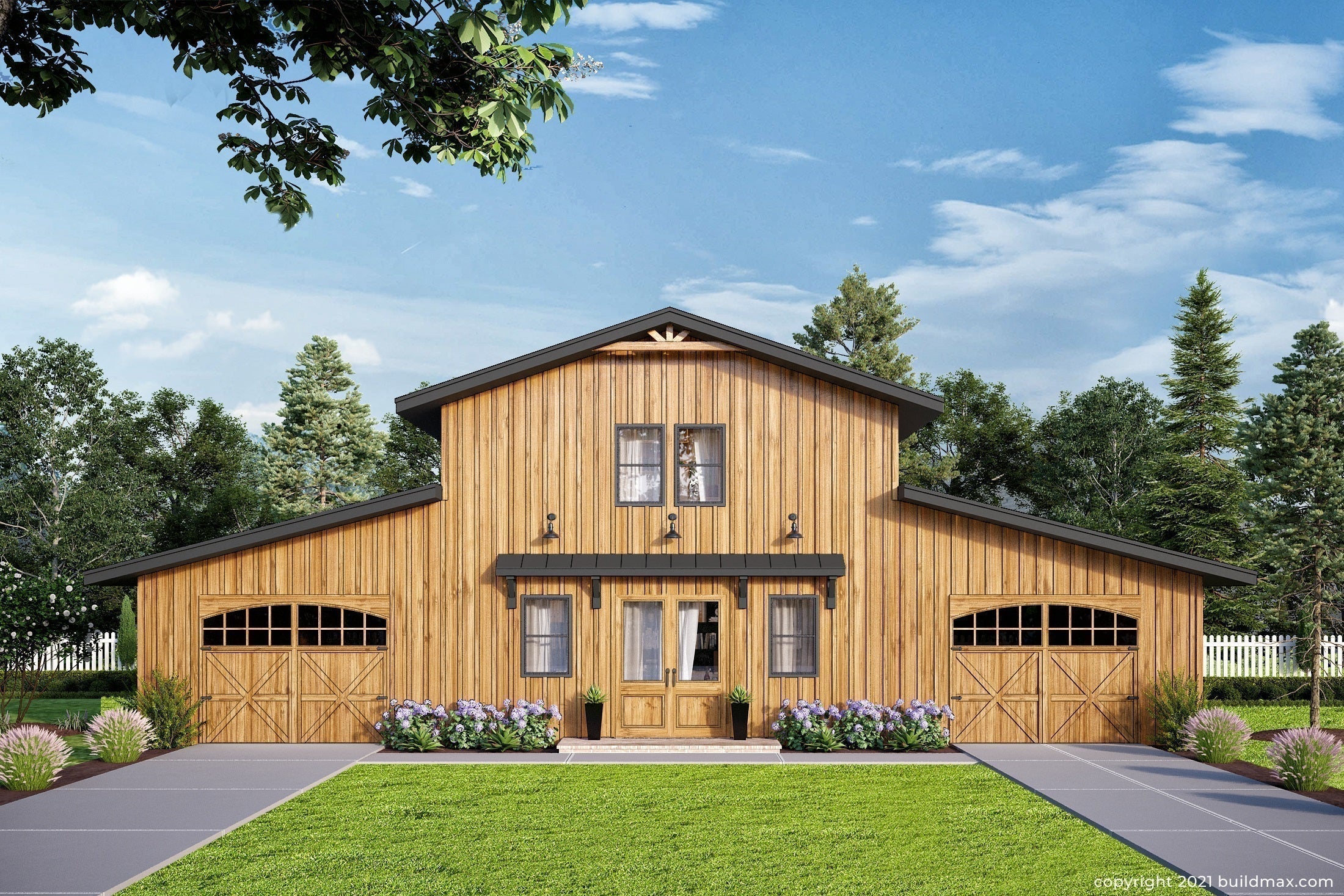
How to Avoid Bad Barndominium Builders
Learning how to avoid bad barndominium builders can save you thousands of dollars, months of frustration, and a lot of stress during your build. The wrong builder can turn an exciting barndominium project into a mess of budget overruns, delays, poor workmanship, unfinished work, vague pricing, permit problems, and constant confusion.
A good barndominium builder should help you understand the full project before construction starts. That includes your land, floor plan, foundation, kit or framing package, utilities, permits, inspections, site work, finish level, garage space, shop space, and realistic timeline.
A bad builder may do the opposite. They may give you a low number without reviewing the details, avoid hard questions, rush you into a deposit, skip important paperwork, or promise a cheap build without explaining what is actually included.
The good news is that bad builders usually show warning signs early. You just need to know what to look for before you sign a contract or hand over money.
If you are still in the planning stage, starting with a real floor plan can make builder conversations much easier. Browsing barndominium plans can help you compare layouts, square footage, garages, shops, porches, and bedroom counts before asking builders for serious pricing.
Why Choosing the Right Barndominium Builder Matters
A barndominium is not just a barn with living space inside. It is a residential home that must be planned, permitted, built, insulated, wired, plumbed, finished, inspected, and approved correctly.
That means your builder needs to understand more than the shell. A qualified barndominium builder should understand:
- Residential construction requirements
- Local building codes
- Permits and inspections
- Foundation options
- Concrete slabs, crawlspaces, basements, or pier foundations
- Steel frame, post-frame, metal building, or wood-frame systems
- Insulation and moisture control
- HVAC planning for open floor plans
- Electrical and plumbing coordination
- Garage, shop, porch, and breezeway integration
- Kit delivery and material staging
- Interior finish-out
A bad builder may focus only on getting the shell up and underestimate everything else. A true barndominium build includes land development, foundation, utilities, framing, dry-in, insulation, mechanical systems, drywall, interior finishes, inspections, and final occupancy.
Start with a Real Barndominium Plan
One of the best ways to avoid bad builders is to start with a real plan. If you only have a sketch, screenshot, Pinterest idea, or rough concept, builders can give you vague numbers. A professional plan gives everyone something specific to discuss.
A real barndominium plan helps define:
- Total square footage
- Finished living space
- Garage or shop space
- Porch square footage
- Bedroom and bathroom count
- Kitchen, pantry, laundry, and mudroom layout
- Roofline and exterior style
- Foundation assumptions
- Window and door locations
- Possible kit or framing requirements
Before asking builders for pricing, choose a plan or at least narrow your options. The more specific your plan is, the harder it is for a builder to hide behind vague estimates.
Red Flag #1: The Builder Gives a Firm Price Without Seeing Plans
A builder who gives you a confident turnkey price without reviewing your plans, land, site conditions, finish level, foundation needs, utility access, or local code requirements is guessing.
It is normal for a builder to give a rough range early in the conversation. The problem is when they act like the final price is simple before they know the project.
A serious builder should ask questions like:
- What floor plan are you building?
- How many square feet are finished living space?
- Is there garage or shop space?
- What foundation type is needed?
- What finish level do you want?
- Where is the land located?
- Are utilities available?
- Will septic or well be needed?
- Are there local wind, snow, flood, or seismic requirements?
- Will a kit or shell package be used?
- Who is responsible for permits?
If the builder does not ask these questions, they probably do not have enough information to give a reliable number.
Red Flag #2: The Quote Is Too Good to Be True
Everyone wants to save money, but an extremely low quote can be dangerous. A cheap quote may leave out major parts of the project, use unrealistic allowances, ignore site work, exclude permits, or assume a lower finish level than you expect.
A low quote may not include:
- Land clearing
- Driveway installation
- Foundation work
- Utility connections
- Septic or well costs
- Permits and inspections
- Engineering
- Insulation
- HVAC
- Interior finish-out
- Garage doors
- Porches
- Appliances
- Final grading
When one builder is dramatically cheaper than everyone else, do not assume you found a deal. Ask what is missing.
Red Flag #3: The Builder Will Not Provide a Detailed Scope of Work
A vague quote is one of the biggest warning signs. If a builder gives you one big number with very little explanation, you do not actually know what you are buying.
A good builder quote should clearly explain:
- What is included
- What is excluded
- What allowances are being used
- Who handles permits
- Who handles site work
- Who handles utility connections
- What materials are included
- What finish level is assumed
- How change orders are handled
- How payments are scheduled
The more vague the quote is, the more room there is for expensive surprises later.
Red Flag #4: The Builder Does Not Understand Barndominium Kits
If you plan to use a kit or material package, make sure the builder understands how barndominium kits work. A kit may include framing, roofing, siding, trim, fasteners, and sometimes windows or doors depending on the package. It usually does not include the complete finished home.
A builder working with a kit should understand:
- What the kit includes
- What the kit does not include
- How the shell is erected
- How the foundation must be prepared
- How openings are framed
- How the kit integrates with interior framing
- How local code requirements affect the package
- How delivery and material staging will work
If a builder acts like every kit is the same, be careful. Kits vary widely, and the builder needs to understand the exact package being used.
Red Flag #5: The Builder Avoids Permit Questions
A barndominium built as a full-time home must meet local residential building requirements. If a builder avoids questions about permits, inspections, zoning, engineering, or code compliance, that is a major warning sign.
A good builder should be able to discuss:
- Local permit requirements
- Residential code requirements
- Foundation inspections
- Electrical inspections
- Plumbing inspections
- Mechanical inspections
- Energy code requirements
- Final inspection or certificate of occupancy
- Whether engineered drawings may be required
Permit problems can delay the entire build. They can also create expensive redesigns if the plan, foundation, framing system, or mechanical design does not meet local requirements.
Red Flag #6: The Builder Has No References or Past Work
Every builder has to start somewhere, but you should be cautious if a builder cannot show past work, references, photos, reviews, or completed projects.
Ask for:
- Photos of completed homes
- References from past customers
- Examples of similar projects
- Proof of licensing, if required in your state
- Insurance information
- Supplier or subcontractor references
Good builders are usually proud of their work. If a builder cannot show anything, ask why.
Red Flag #7: The Builder Pushes You to Start Without a Contract
Never start a barndominium build based on a handshake, text message, vague estimate, or verbal promise. A written contract protects both you and the builder.
A strong builder contract should include:
- Project scope
- Plans being used
- Price or pricing structure
- Payment schedule
- Allowances
- Change order process
- Estimated timeline
- Responsibilities of each party
- Insurance requirements
- Warranty information
- Dispute resolution process
- What happens if delays occur
If a builder wants money before putting the details in writing, slow down.
Red Flag #8: The Builder Does Not Review the Land
Your land affects the entire project. A builder who gives a serious price without understanding the property may miss major costs.
The land can affect:
- Driveway cost
- Site clearing
- Grading
- Drainage
- Foundation type
- Concrete cost
- Septic placement
- Well location
- Utility runs
- Material delivery access
- Equipment access
Before hiring a builder, ask them to review the land or at least discuss the property conditions in detail. If they do not ask about the site, they may not be pricing the real project.
Red Flag #9: The Builder Does Not Explain Allowances
Allowances are budget placeholders for items that have not been selected yet. Builders often use allowances for cabinets, flooring, countertops, plumbing fixtures, lighting, appliances, tile, interior doors, trim, and paint.
Allowances are not bad, but unrealistic allowances can create budget problems later.
For example, if your builder includes a low cabinet allowance but you expect custom cabinets, your final price will increase. If the flooring allowance is based on basic materials but you choose higher-end flooring, your budget will grow.
Ask your builder to explain allowances for:
- Cabinets
- Countertops
- Flooring
- Tile showers
- Lighting
- Plumbing fixtures
- Appliances
- Interior doors
- Trim
- Paint
A good builder will help you understand whether the allowances match the finish level you actually want.
Red Flag #10: The Builder Has Poor Communication Early
How a builder communicates before you sign the contract often tells you how they will communicate during the build. If they are hard to reach, vague, dismissive, or slow to answer basic questions now, that usually does not improve once construction starts.
Pay attention to whether the builder:
- Answers questions clearly
- Returns calls or messages
- Explains the process
- Provides written details
- Listens to your goals
- Admits when something needs more research
- Communicates schedule expectations
- Explains cost risks honestly
A barndominium build can take months. You need a builder who communicates well before, during, and after construction.
Red Flag #11: The Builder Wants a Large Deposit Too Early
Deposits are normal in construction, but a large upfront payment without a clear contract, payment schedule, scope of work, and materials plan is risky.
Before paying a deposit, make sure you understand:
- What the deposit covers
- When work will begin
- Whether materials are being ordered
- Whether the payment is refundable
- What happens if the project is delayed
- How future payments are scheduled
- Whether payments are tied to project milestones
A fair payment schedule should protect both sides. Be cautious if a builder wants a large amount of money before providing clear written details.
Red Flag #12: The Builder Says “That’s Included” But Won’t Put It in Writing
If something is included, it should be written down. Verbal promises are easy to misunderstand and hard to prove later.
This is especially important for:
- Porches
- Garage doors
- Windows and exterior doors
- Appliances
- Cabinets
- Countertops
- Flooring
- Driveway work
- Utility connections
- Septic or well work
- Final grading
- Cleanup
If the builder says something is included, ask them to add it to the quote or contract.
What a Good Barndominium Builder Should Do
A good builder does not just say yes to everything. A good builder helps you make smarter decisions.
A qualified barndominium builder should help you:
- Review your floor plan
- Understand whether the plan fits your land
- Evaluate foundation options
- Discuss kit or framing options
- Estimate site work costs
- Understand utility needs
- Prepare a realistic budget
- Review finish expectations
- Plan the construction timeline
- Coordinate permits and inspections
- Identify cost risks before construction starts
The right builder should make your project clearer, not more confusing.
Questions to Ask Before Hiring a Barndominium Builder
Before hiring a builder, ask direct questions. A good builder will not be offended by serious questions. They will expect them.
- Have you built barndominiums before?
- Have you worked with steel kits, post-frame buildings, or metal building systems?
- Can you build from my selected plan?
- Do you offer turnkey construction or only part of the build?
- What is included in your quote?
- What is excluded from your quote?
- Do you handle permits?
- Do you include site work?
- Do you include foundation work?
- Do you include utility connections?
- Can you provide references?
- Are you licensed and insured where required?
- How do you handle change orders?
- What payment schedule do you use?
- What warranties do you provide?
The way a builder answers these questions can tell you a lot. Clear answers are a good sign. Evasive answers are a warning sign.
What Should Be Included in a Builder Quote?
A good builder quote should be detailed enough that you can compare it with other quotes fairly. If one quote includes foundation, site work, porches, and garage doors while another does not, the cheaper quote may not actually be cheaper.
A builder quote should clarify:
- Finished living square footage
- Garage or shop square footage
- Porch square footage
- Foundation scope
- Shell or framing scope
- Roofing and siding scope
- Window and door package
- Insulation type
- HVAC scope
- Electrical scope
- Plumbing scope
- Drywall and interior finish scope
- Cabinet and countertop allowances
- Flooring allowances
- Appliance assumptions
- Permits and inspections
- Cleanup and final grading
If the quote does not explain these details, ask for clarification before comparing it to another builder.
How to Compare Barndominium Builder Quotes
Do not compare builder quotes by the final number alone. Compare the scope.
When reviewing quotes, ask:
- Are both quotes based on the same plan?
- Are both quotes using the same finished square footage?
- Are garage and shop areas included?
- Are porches included?
- Is the foundation included?
- Is site work included?
- Are utility connections included?
- Are permits included?
- Are finish allowances realistic?
- Are warranties included?
The lowest quote may not be the best quote. The best quote is the one that is clear, complete, realistic, and backed by a builder you trust.
Why Land and Site Work Should Be Discussed Early
Many budget surprises come from land and site work, not the house plan itself. Clearing, grading, driveway construction, drainage, septic, well, foundation design, and utility runs can change the budget quickly.
Site-related costs may include:
- Tree clearing
- Excavation
- Grading
- Driveway installation
- Culverts
- Drainage improvements
- Concrete slab preparation
- Soil correction
- Septic installation
- Well drilling
- Power extension
- Material delivery access
A builder who ignores site work may give you a number that looks good at first but falls apart once the real land costs appear.
Why Permits and Inspections Matter
A barndominium that is being built as a residence should be permitted and inspected properly. Skipping permits or avoiding inspections can create major problems with safety, resale, insurance, financing, and final occupancy.
Permits and inspections may be needed for:
- Foundation
- Framing
- Electrical
- Plumbing
- HVAC
- Septic
- Driveway access
- Energy code compliance
- Final occupancy
A good builder should not make permitting sound like an unnecessary obstacle. Permits protect the homeowner and help confirm the home is being built correctly.
How to Protect Yourself Before Signing a Contract
Before you sign a contract, slow down and make sure the project is clear. You should understand the plan, price, payment schedule, scope of work, allowances, exclusions, timeline, and change order process.
Before signing, review:
- The exact plan being built
- The full project scope
- What is included
- What is excluded
- Allowance amounts
- Payment schedule
- Change order policy
- Timeline expectations
- Warranty terms
- Permit responsibilities
- Insurance requirements
- Dispute resolution process
Do not let excitement push you into a rushed decision. A good builder will understand why you need clarity before moving forward.
Common Mistakes Homeowners Make When Hiring Builders
Mistake 1: Hiring Based on the Lowest Price
A low price can be tempting, but it may leave out major parts of the project. Always compare scope, not just price.
Mistake 2: Not Having a Real Plan
Without a real plan, builder quotes are usually too vague to trust. Start with a clear layout before asking for serious pricing.
Mistake 3: Not Checking References
Past customers can tell you how the builder communicates, handles problems, manages timelines, and finishes work.
Mistake 4: Ignoring Communication Problems
If a builder communicates poorly before the contract, that is a warning sign. Construction requires constant communication.
Mistake 5: Not Understanding Allowances
Low allowances can make a quote look affordable, but your final cost may increase once you select real materials.
Mistake 6: Not Getting Details in Writing
Verbal promises are not enough. If it matters, it should be in the quote or contract.
Mistake 7: Forgetting About Land Costs
Site work, utilities, septic, well, grading, drainage, and driveway costs can change the budget quickly.
Is It Better to Hire a Barndominium Specialist?
A builder does not have to build only barndominiums to be qualified, but they should understand the construction method being used. A custom home builder may be a strong fit if they understand residential code, foundations, mechanical systems, finishes, and local permitting. A metal building or post-frame contractor may be helpful for the shell but may not handle the entire residential finish-out.
The best builder depends on your project.
You may need:
- A full turnkey builder
- A custom home builder
- A shell contractor
- A metal building erector
- A general contractor
- Separate subcontractors
Before hiring anyone, make sure you understand exactly what they are responsible for and where their work begins and ends.
Final Thoughts on Avoiding Bad Barndominium Builders
Avoiding bad barndominium builders starts before construction begins. The more prepared you are, the easier it is to spot vague pricing, poor communication, missing scope details, unrealistic allowances, permit issues, and builders who do not understand the full project.
Start with a real plan. Understand your land. Ask direct questions. Compare detailed scopes, not just prices. Check references. Get everything in writing. Make sure allowances are realistic. Confirm who handles permits, site work, foundation, utilities, shell construction, and interior finish-out.
A good builder should make your project clearer. They should explain risks, answer questions, document the scope, communicate well, and help you understand the real cost of building the home.
The right builder can make your barndominium project smoother, more predictable, and more enjoyable. The wrong builder can make even a great plan difficult. Choose carefully.
FAQ: How to Avoid Bad Barndominium Builders
How do I avoid hiring a bad barndominium builder?
Start with a real plan, ask detailed questions, compare written scopes, check references, verify licensing and insurance where required, understand allowances, and never rely on vague verbal promises.
What is the biggest red flag when hiring a barndominium builder?
One of the biggest red flags is a builder giving a firm price without reviewing your plans, land, foundation needs, utility access, finish level, permits, or local code requirements.
Should I choose the cheapest barndominium builder?
Not automatically. The cheapest quote may leave out site work, permits, foundation, utilities, porches, garage doors, insulation, HVAC, or interior finishes. Compare scope before comparing price.
What should a barndominium builder quote include?
A good quote should explain what is included, what is excluded, allowances, payment schedule, permits, site work, foundation, shell, utilities, interior finishes, change orders, and timeline assumptions.
Do I need a real plan before talking to builders?
Yes, at least before asking for serious pricing. A real plan helps builders understand square footage, room layout, garage space, shop space, porches, roofline, and construction scope.
Should a builder visit the land before giving a price?
For a serious quote, yes. Land affects driveway cost, grading, drainage, foundation, septic, well, utilities, material delivery, and equipment access.
What questions should I ask a barndominium builder?
Ask whether they have built barndominiums before, what is included in the quote, what is excluded, whether they handle permits, whether site work is included, how change orders work, and whether they can provide references.
Why are allowances important?
Allowances are budget placeholders for items like cabinets, flooring, lighting, plumbing fixtures, countertops, tile, and appliances. Low allowances can make a quote look cheaper than it really is.
Do barndominium builders need to understand kits?
If you are using a kit, yes. The builder should understand what the kit includes, what it excludes, how the shell is erected, how the foundation must be prepared, and how the package works with local codes.
Where should I start before hiring a builder?
Start by choosing or narrowing down your floor plan. Browse barndominium plans so you can compare layouts and give builders a clearer project to price.
```


